Dental Implant Lifespan: How Many Years Can You Expect Your Implant to Last?
Missing Teeth and Long-Term Solutions
Losing a tooth can affect much more than your smile. It can impact your ability to chew comfortably, speak clearly and maintain healthy jawbone structure. For this reason, dental implants have become one of the most popular tooth replacement options worldwide.
A question many patients ask before starting treatment is: How long can a dental implant last?
While every case is different, modern dental implants are designed to provide a long-term solution that can remain functional and aesthetically pleasing for decades.
At Savadent, we help patients restore their smiles with advanced implant dentistry and personalised treatment plans designed for long-lasting results.
Understanding the Different Parts of a Dental Implant
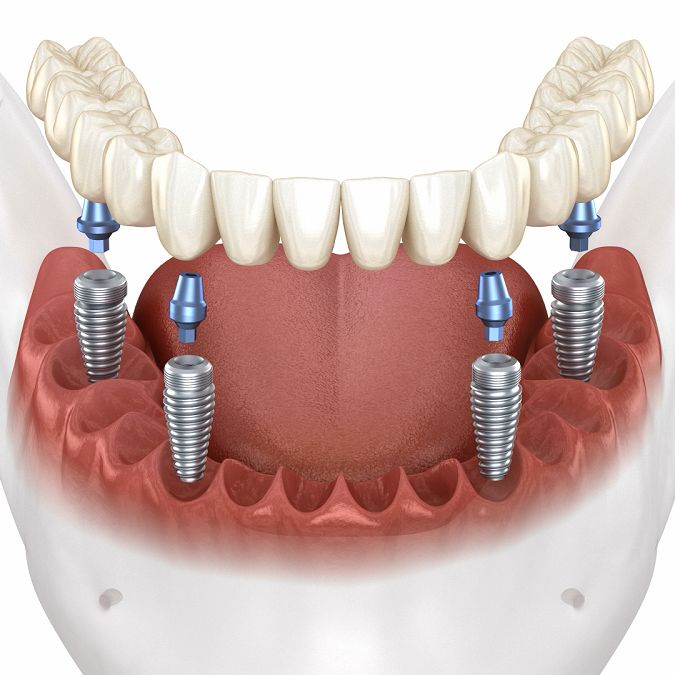
Before discussing longevity, it is important to understand what a dental implant actually consists of.
Implant Fixture
This is the titanium post placed into the jawbone. It acts as an artificial tooth root and provides the foundation for the restoration.
Abutment
The abutment connects the implant fixture to the final restoration.
Crown or Prosthetic Tooth
The crown is the visible part that resembles a natural tooth and restores appearance and function.
Each component has its own expected lifespan, although the implant fixture itself is usually the longest-lasting part of the treatment.
How Long Does the Implant Itself Last?
The implant post is designed to be a permanent solution.
Research has shown that properly placed dental implants have success rates above 95%, even after many years of use. In many patients, implants continue functioning successfully for 20, 25 or even 30 years.
With good oral care and regular dental monitoring, some implants may never need replacement.
Why Do Some Implants Last Longer Than Others?
Not all implants experience the same lifespan. Several factors influence their long-term performance.
The Quality of the Initial Treatment
Successful implant dentistry begins with careful planning.
Accurate diagnostics, digital imaging and proper implant positioning play a major role in long-term stability. A well-planned treatment significantly reduces the risk of future complications.
Bone Support
Dental implants rely on healthy bone tissue for support.
Patients with adequate bone density generally experience better implant stability and long-term outcomes.
Daily Oral Care
Just because an implant cannot develop tooth decay does not mean it requires less care.
Plaque and bacteria can still affect the surrounding gum tissue, making daily oral hygiene essential.
Lifestyle Habits
Certain habits may shorten the lifespan of an implant, including:
- Smoking
- Poor oral hygiene
- Excessive alcohol consumption
- Untreated teeth grinding
What Is Peri-Implantitis?
One of the most common causes of implant failure is a condition called peri-implantitis.
This occurs when bacteria cause inflammation and infection around the implant site. If left untreated, bone loss may develop, compromising implant stability.
Common symptoms include:
- Red or swollen gums
- Bleeding around the implant
- Persistent bad breath
- Discomfort while chewing
Early diagnosis is essential to protect the implant and surrounding tissues.
Can Dental Implants Fail?
Although implant success rates are extremely high, failure can occasionally occur.
Early failure may happen if the implant does not integrate properly with the bone during healing.
Late failure is usually associated with infection, poor maintenance or excessive mechanical stress over time.
Fortunately, most complications can be prevented through proper treatment planning and regular professional care.
How Often Should Implant Patients Visit the Dentist?
Routine maintenance is one of the best ways to increase implant longevity.
Most patients benefit from professional examinations every six months. These appointments allow dentists to:
- Assess implant stability
- Monitor gum health
- Remove plaque and tartar
- Detect early signs of complications
Preventive care is often the key to preserving implants for decades.
Are Full Mouth Implants as Durable as Single Implants?
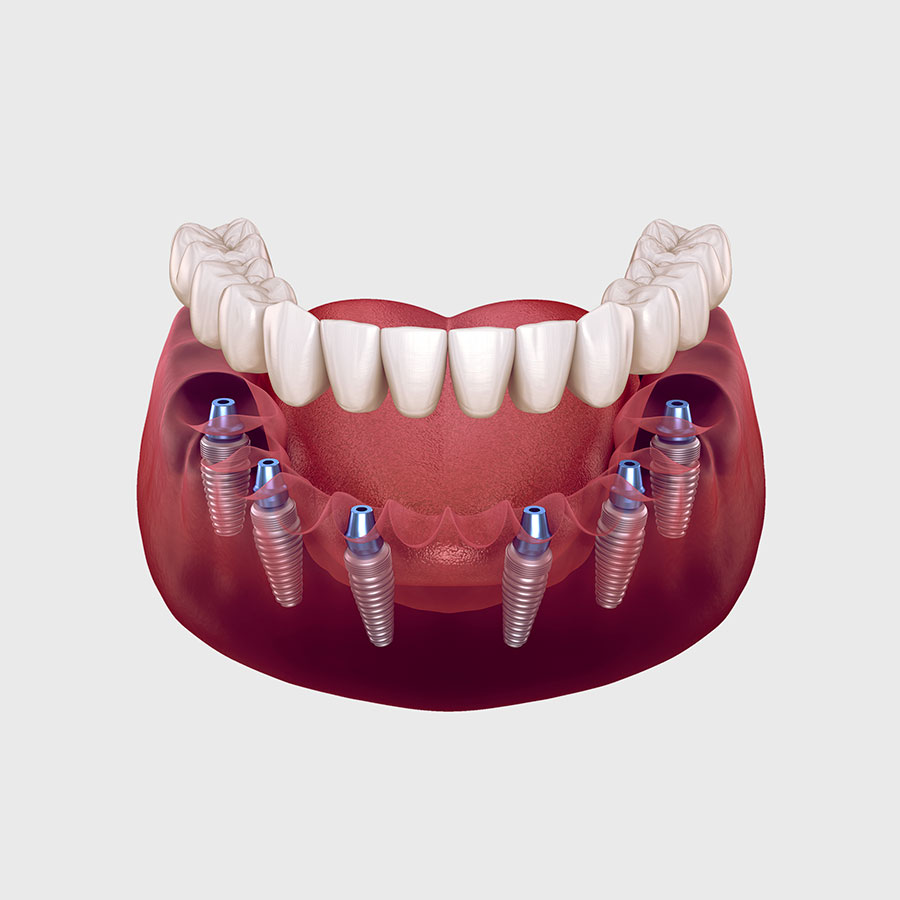
Yes. Modern full-arch solutions such as All-on-4 and All-on-6 can offer excellent long-term outcomes.
When properly maintained, the supporting implants can remain stable for many years while providing a fixed and comfortable alternative to removable dentures.
Patients often report significant improvements in quality of life, confidence and chewing ability.
How to Extend the Life of Your Dental Implants
The following habits can help maximise the lifespan of your implant treatment:
- Brush thoroughly twice a day.
- Floss or use interdental cleaning aids daily.
- Attend regular dental check-ups.
- Schedule professional hygiene appointments.
- Avoid smoking whenever possible.
- Follow your dentist’s maintenance recommendations.
Small daily efforts can contribute significantly to long-term success.
Why Patients Choose Savadent for Dental Implant Treatment
At Savadent, every implant treatment begins with a detailed assessment and a personalised treatment plan.
Our approach combines:
- Advanced diagnostic technology
- Modern implant techniques
- High-quality materials
- Experienced dental professionals
- Comprehensive patient support
Our goal is not only to replace missing teeth but also to provide durable results that support oral health for years to come.
Final Thoughts
Dental implants are among the most successful and predictable treatments in modern dentistry. While many factors influence their lifespan, patients who maintain good oral hygiene and attend regular check-ups often enjoy their implants for decades.
If you are considering dental implants and would like to learn more about your options, the team at Savadent can provide professional guidance and a personalised treatment plan tailored to your needs.